
Introduction
If you run a website or blog, you have probably heard about SEO many times. But many people still don’t fully understand what it really means or how it actually works.
What is SEO and how it works in 2026 is not just about adding keywords anymore. Search engines are smarter now. They focus on helpful content, user experience, and trust. If you learn how SEO works today, you can bring steady traffic to your website without paying for ads.
In this guide, you will learn the basics of SEO, how search engines rank websites, and practical steps you can use right away.
What Is SEO and How It Works in 2026
What Is SEO
SEO stands for Search Engine Optimization.
It is the process of improving your website so it appears higher in search engine results when people search for something online.
In simple words, SEO helps your website get found on search engines like Google when people type questions or keywords.
For example:
If someone searches:
“best skincare products for dry skin”
Websites that have strong SEO will appear at the top of search results. Those websites get more visitors, clicks, and customers.
SEO is important because:
- Most people click results on the first page
- Higher rankings bring free traffic
- Good SEO builds trust and authority
- It reduces the need for paid ads
Without SEO, even a great website can stay hidden.
How SEO Works in 2026
Search engines work using three main steps:
Crawling
Indexing
Ranking
Let’s understand each one.
Crawling: How Search Engines Discover Content
Search engines use special programs called bots or spiders to scan websites. This process is called crawling.
These bots:
- Visit web pages
- Follow links
- Discover new content
- Check updates on existing pages
If your website has clear links and structure, bots can easily find your pages.
Tips to Improve Crawling
- Use internal links between pages
- Create an XML sitemap
- Avoid broken links
- Keep your website organized
If bots can’t find your page, it won’t appear in search results.

Indexing: How Search Engines Store Information
After crawling, search engines store your content in a huge database. This step is called indexing.
During indexing, search engines:
- Read your content
- Understand keywords
- Analyze images
- Check page structure
If your page is useful and clear, it gets added to the search index.
Tips to Improve Indexing
- Write clear titles
- Use headings (H1, H2, H3)
- Add descriptive meta tags
- Use relevant keywords naturally
If your content is not indexed, it will not rank.
Ranking: How Search Engines Decide Position
Ranking is the most important part of SEO.
Search engines compare many websites and decide which ones deserve the top positions.
In 2026, ranking depends on:
- Content quality
- User experience
- Website speed
- Mobile friendliness
- Trust and authority
- Search intent match
Search engines try to show the most helpful results, not just keyword-heavy pages.
Why SEO Is More Important Than Ever in 2026
SEO has changed a lot in recent years. Older tricks like keyword stuffing no longer work.
Today, search engines reward:
- Helpful content
- Real expertise
- Clear structure
- Fast websites
Many businesses rely on SEO because:
- Paid ads are expensive
- Organic traffic lasts longer
- SEO builds brand trust
- It supports long-term growth
Have you ever searched something online and clicked the first result without thinking? That’s the power of SEO.
Types of SEO You Must Understand
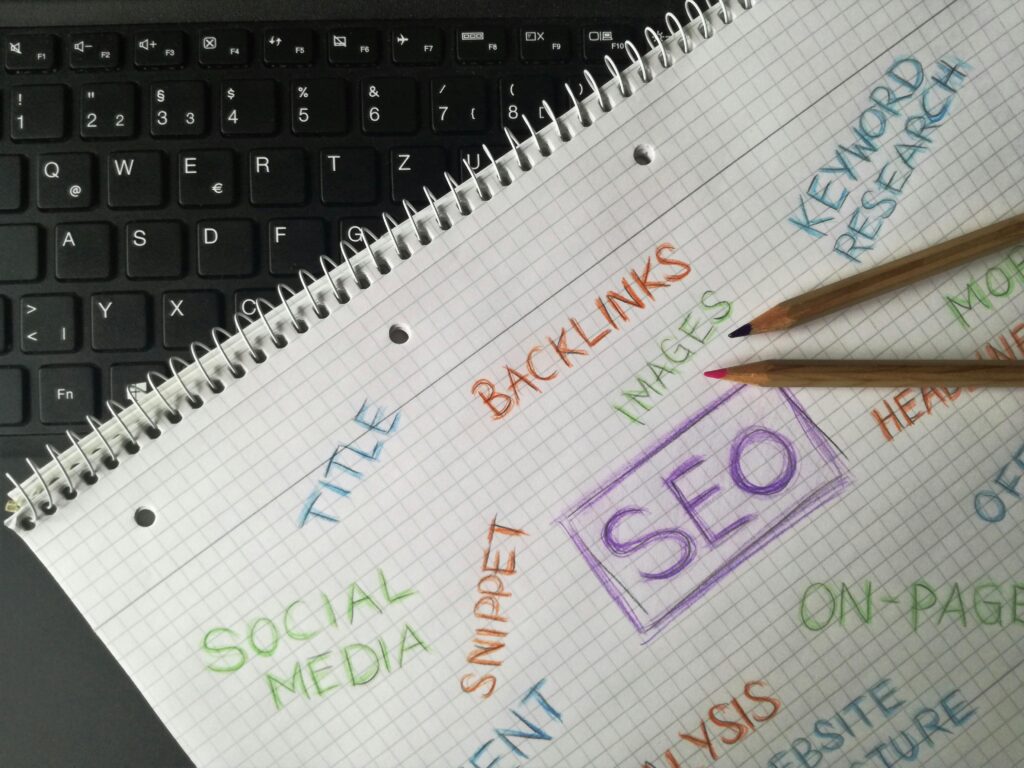
To understand what is SEO and how it works in 2026, you need to know the main types of SEO.
On Page SEO
On Page SEO focuses on content and page structure.
It includes:
- Keyword placement
- Title optimization
- Headings
- Internal linking
- Image optimization
Example of On Page SEO
If your article is about skincare, your title might be:
Best Skincare Routine for Oily Skin
Your headings and content should support this topic clearly.
Off Page SEO
Off Page SEO happens outside your website.
It focuses on building trust and authority.
It includes:
- Backlinks from other websites
- Guest posting
- Social sharing
- Brand mentions
Why Backlinks Matter
If trusted websites link to your content, search engines see your site as reliable.
More quality backlinks often mean higher rankings.
Technical SEO
Technical SEO focuses on website performance.
It includes:
- Website speed
- Mobile friendliness
- Secure connection (HTTPS)
- Sitemap creation
- Fixing errors
Without good technical SEO, even strong content can struggle to rank.
Key Ranking Factors in 2026
Search engines use many signals to rank websites. Here are the most important ones today.
Content Quality
Content is still the strongest ranking factor.
Good content:
- Solves real problems
- Answers questions clearly
- Matches search intent
- Uses simple language
Thin or copied content usually fails.
Search Intent
Search intent means understanding what users want.
There are four types:
- Informational
- Navigational
- Transactional
- Commercial
Example
Search query:
“how to start a blog”
Intent: Learning step by step.
Your content should match that intent.
Website Speed
Slow websites lose visitors.
Fast websites:
- Improve user experience
- Increase engagement
- Help rankings
Tips to Improve Speed
- Compress images
- Use caching
- Choose good hosting
- Reduce unnecessary plugins
Mobile Optimization
Most users browse using mobile devices.
If your site is not mobile friendly, rankings drop.
Make sure:
- Text is readable
- Buttons are clickable
- Pages load fast
User Experience (UX)
Search engines track how users interact with your site.
Good UX includes:
- Easy navigation
- Clear layout
- Helpful content
- Fast loading pages
If visitors stay longer, rankings improve.
How Keywords Work in SEO
Keywords are words people type into search engines.
They help search engines understand your content.
Types of Keywords
Short Tail Keywords
Example:
SEO
Very competitive.
Long Tail Keywords
Example:
what is SEO and how it works in 2026
Less competition and easier to rank.
Long tail keywords are powerful for beginners.
How to Use Keywords Properly
Use your keyword:
- In the title
- In the introduction
- In headings
- In meta description
- Naturally in content
Avoid overusing keywords. That can hurt rankings.
Real Example of How SEO Works
Let’s say you create a blog post about:
“Best Morning Skincare Routine”
Here’s how SEO helps:
Step 1
You research keywords.
Step 2
You write helpful content.
Step 3
Search engines crawl your page.
Step 4
Your page gets indexed.
Step 5
It appears in search results.
If users like your content, rankings improve over time.
SEO is not instant, but it builds strong results.
Simple Steps to Start SEO in 2026
If you are new, follow these steps.
Step 1: Choose the Right Topic
Focus on topics people search for.
Use keyword tools to find demand.
Step 2: Create Helpful Content
Write content that:
- Answers questions
- Solves problems
- Gives clear value
Avoid copying content from other sites.
Step 3: Optimize Your Page
Make sure:
- Title includes keyword
- Headings are clear
- Images are optimized
- Internal links exist
Step 4: Improve Website Speed
A fast site keeps visitors happy.
Speed matters more than ever.
Step 5: Build Backlinks
Get links from trusted websites.
Focus on quality, not quantity.
Common SEO Mistakes to Avoid
Many beginners make mistakes that stop growth.
Avoid these:
- Keyword stuffing
- Copying content
- Ignoring mobile users
- Slow website speed
- Poor internal linking
- Writing content without research
Fixing these mistakes can improve rankings quickly.
The Future of SEO Beyond 2026
SEO continues to evolve.
Future trends include:
- AI powered search
- Voice search growth
- Visual search tools
- More focus on helpful content
- Stronger user experience signals
Websites that focus on real value will always win.
FAQ Section
What Is SEO and Why Is It Important
SEO helps websites appear in search results. It brings free traffic and improves visibility online.
How Long Does SEO Take to Work
SEO usually takes 3 to 6 months to show noticeable results. Competitive niches may take longer.
Can Beginners Learn SEO
Yes. SEO can be learned step by step. Start with basics like keywords, content writing, and site structure.
Is SEO Free or Paid
SEO itself is free, but tools, hosting, and services may cost money.
Do Keywords Still Matter in 2026
Yes. Keywords still matter, but content quality and user experience matter even more.
Conclusion
Now you understand what is SEO and how it works in 2026. SEO is not about tricks or shortcuts anymore. It is about helping users, creating useful content, and building trust.
If you focus on clear content, strong structure, and fast websites, your chances of ranking increase over time.
Start small. Pick one topic. Write helpful content. Improve your site step by step.
Take action today. Create your first SEO optimized post and begin building steady traffic to your website.
